
Disclosure: WorkWise is reader-supported. When you buy through links on our site, we may earn an affiliate commission at no extra cost to you. Learn more.
When you schedule a meeting matters as much as whether you schedule it. Research from places like Microsoft, Atlassian, and the University of Manchester consistently finds that meeting timing affects outcomes by 20-40%. Here's what the research actually says — and how to use it.
The research, summarized
Microsoft Research (2021): The cost of back-to-back meetings
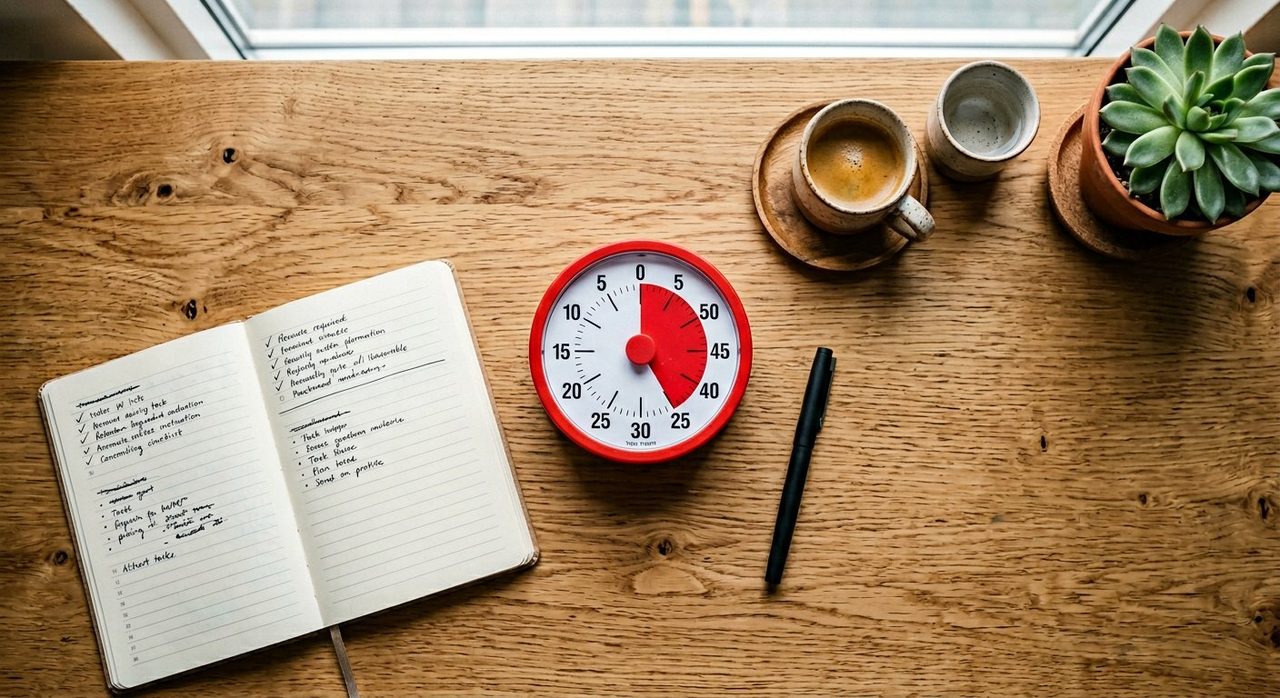
Brain activity (measured with EEG) showed cumulative stress build-up across back-to-back meetings, with elevated beta-wave activity that didn't recover until ~10 minutes of break time. Their recommendation: schedule meetings as 25 or 50 minutes instead of 30 or 60, building recovery time into the calendar.
University of Manchester (2019): Time of day and decision quality
Decision quality on complex problems peaked around 10:30am and dropped sharply after 3pm. Routine decisions held up better in afternoon, but novel/strategic ones consistently failed when scheduled late.
Atlassian Workplace Report (2023): Meeting day-of-week patterns
Mondays and Fridays were significantly less productive meeting days. Mid-week (Tue-Thu) meetings produced higher-rated outcomes and required less follow-up.
When to schedule different types of meetings
Complex decisions, creative work, strategic discussions
Best: 10am-12pm, Tue/Wed/Thu
Peak cognitive performance window. Brains are fully online, lunch is the natural endpoint, and the rest of the week is available for follow-up.
1:1 check-ins and routine status meetings
Best: 2pm-3:30pm, any weekday
Doesn't require peak cognition. Avoids the post-lunch slump (1-2pm) and pre-end-of-day drop (4pm+).
Brainstorming and creative sessions
Best: 11am-12pm or 2:30-3:30pm
Counter-intuitively, the slightly-tired afternoon brain is often more creative than the sharp morning brain — fewer filters, more associative thinking.
Big group meetings (5+ people)
Best: 10:30am-12pm
Maximum focus from maximum people. Don't waste prime time on small meetings.
Conflict resolution / difficult conversations
Best: 10am-11am
Earlier in the day = both parties have full energy for the conversation, full day to recover from any emotional residue.
When to avoid scheduling meetings
- Mondays before 11am — people are unprepared, planning their week. Save for status updates only.
- 1pm-2pm any day — post-lunch slump is real and predictable.
- Fridays after 3pm — mental checkout. Whatever's decided will be re-discussed Monday.
- The hour after a big meeting — cognitive recovery time. Don't stack important meetings.
- End of day across time zones — your 4pm is their 11pm. Energy mismatch always shows.
The 4 calendar habits that change everything
1. Default to 25 or 50 minutes (not 30 or 60)
The 5-10 minute buffer between meetings is the single highest-impact calendar change. Builds in recovery, transition, and bathroom time.
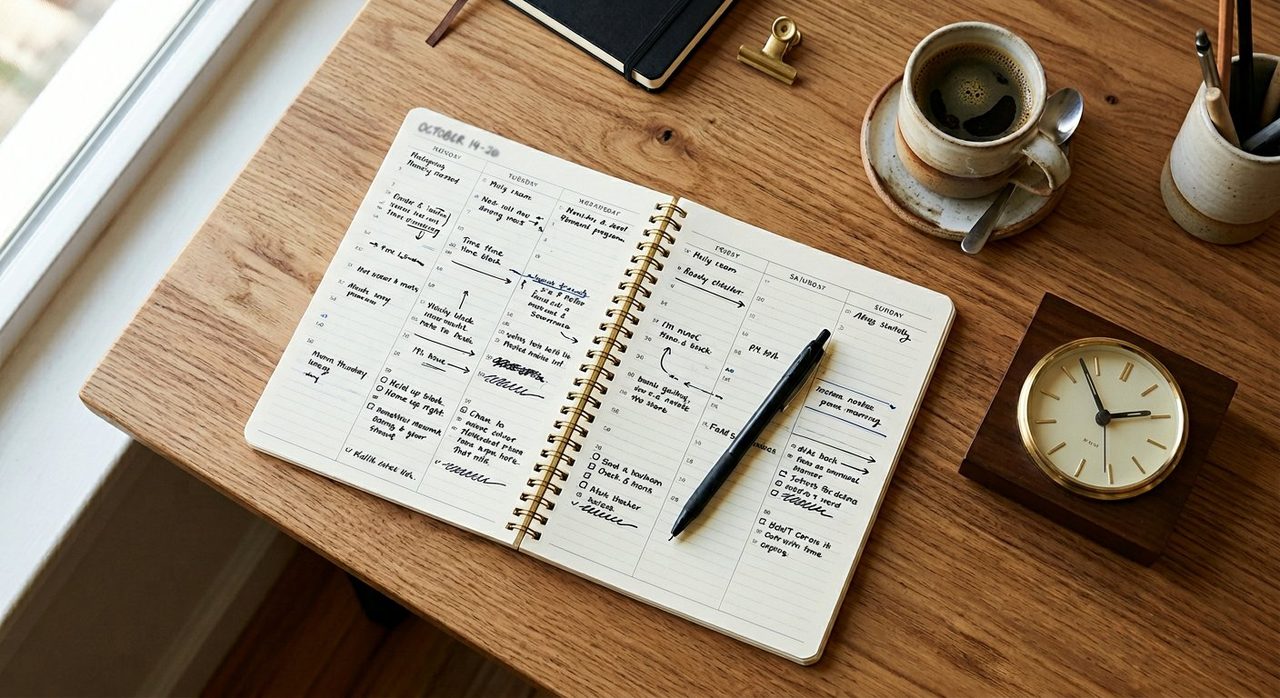
2. Batch meetings into "meeting days"
Many high-performing remote teams pick 2-3 "meeting days" per week and protect the others for deep work. The cognitive cost of context-switching between meetings and focus work is enormous; minimize the switches.
3. Block your peak hours
Identify when YOU work best (typically 9-11am for most people, but check your own data). Block these hours as "deep work" on your calendar. Decline meetings here unless truly urgent.
4. End meetings on time, religiously
The "we just need 5 more minutes" habit cascades. Everyone is late to the next thing, recovery time is lost, and the entire day's calendar wobbles. End on time as a matter of principle.
What if you don't control your calendar?
You probably control more than you think. Concrete moves:
- Block your peak hours BEFORE colleagues fill them. Calendar real estate works first-come-first-served.
- Propose specific times in "when works for you?" emails — instead of letting them pick.
- Move recurring meetings. Most recurring meetings were scheduled at the first available slot, not the optimal one. Suggest a better time once; it'll stick.
- Push back on "quick syncs." Almost every "quick sync" can be a 3-message Slack thread instead.
Final word
You can't control whether you have meetings, but you can largely control WHEN. Schedule complex work for late morning, routine work for early afternoon, avoid Monday mornings and Friday afternoons, and protect your peak hours from anyone else's calendar. Combined with our Zoom fatigue guide, you can build a calendar that energizes rather than drains.
Frequently asked questions
What's the worst time to schedule a meeting?
Mondays at 9am and Fridays after 3pm. Monday mornings find people unprepared; Friday afternoons find them mentally checked out. Both are well-documented in scheduling research.
When are people most cognitively sharp?
For most adults, 10am-12pm is peak focus time. Schedule complex discussions, big decisions, and creative work here. Save status updates and routine meetings for lower-energy windows.
Is 2:30pm really the best time for meetings?
It's commonly cited but only partially right. 2:30pm avoids the post-lunch slump (1-2pm) and the late-afternoon drop (4pm+). Good for collaborative meetings; bad for solo deep work, which needs a longer block.
Should I cluster meetings or spread them out?
Cluster, almost always. 4 meetings spread across the day is 6+ hours of meeting-mode (counting prep and recovery). 4 meetings back-to-back is 4 hours, leaving real focus blocks.
How long should the average meeting be?
Less than you think. Most 'hour-long' meetings are 30 minutes of actual content. Default to 25 or 50 minutes instead of 30 or 60 — the extra 5-10 minutes of recovery between meetings is the most valuable scheduling change you can make.
Spotted a mistake or want to suggest a product we should test? Get in touch — we read every message.