
Disclosure: WorkWise is reader-supported. When you buy through links on our site, we may earn an affiliate commission at no extra cost to you. Learn more.
At-a-glance recommendations
A fast comparison list for the products covered in this guide.
Gunnar Optiks Intercept
Heavier filtering (yellow tint) intended for gamers and heavy screen use. Genuinely reduces eye strain for some users; the yellow tint makes color…
Cyxus Blue Light Blocking Glasses
Under $20 on Amazon. The clear-lens version is what we'd test first if you want to see whether the effect is real for you personally before spending…
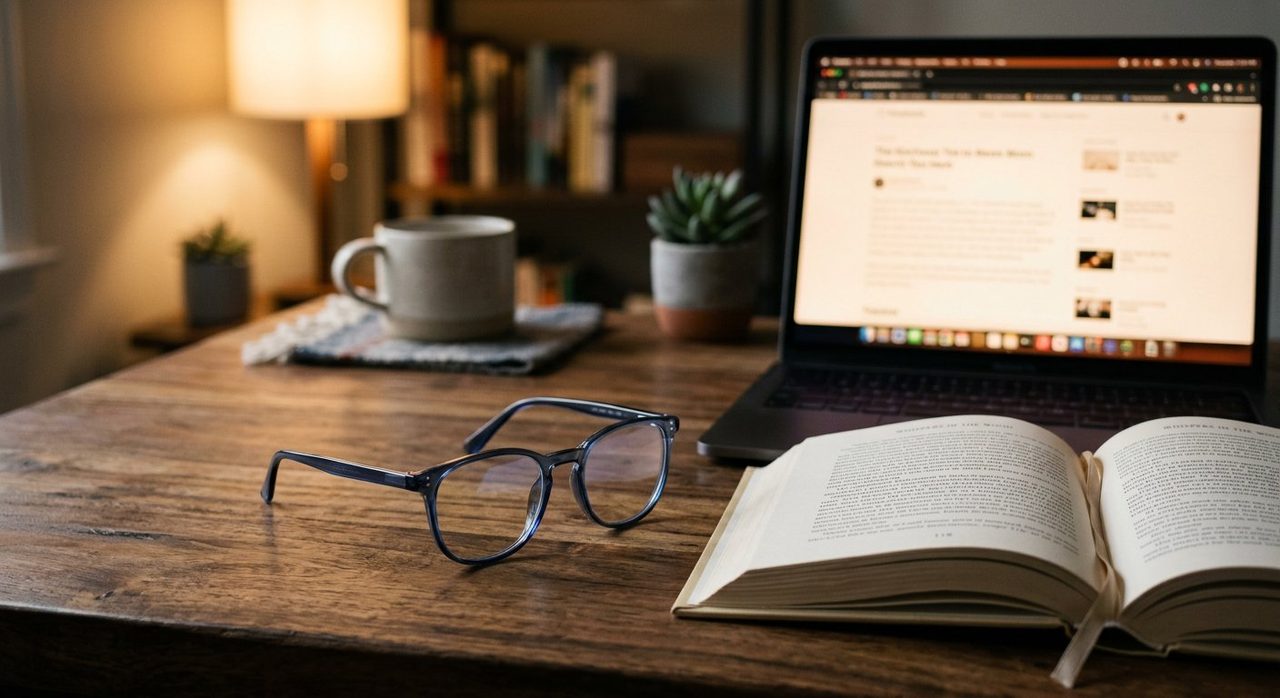
Blue-light glasses are a $400-million-a-year industry, marketed mostly to remote workers. They're also the focus of a long-running scientific debate: do they actually do anything? Here's an honest look — and what you should probably do before spending money on them.
What the research actually says
A 2023 Cochrane review of 17 studies (the gold standard of medical evidence) concluded that blue-light-filtering lenses "may have little or no effect on eye strain with computer use in the short term." A 2024 follow-up in the British Journal of Ophthalmology reached similar conclusions.
However: individual sensitivity varies wildly. Some users genuinely report less fatigue. The placebo effect is also real and not "fake" — if wearing glasses helps you, it helps you.
What's almost certainly NOT true
- That blue light from monitors causes eye damage. (UV does; blue light at screen-level intensity doesn't.)
- That blue light is the main cause of digital eye strain. (Glare, dryness, and posture are much bigger factors.)
- That you need premium $300 glasses to get the benefit. (The lens coating is cheap to make.)
What probably IS true
- Blue light in the evening (after sunset) does suppress melatonin and disrupt sleep. Filtering it for the 2–3 hours before bed is supported by research.
- Some users with light sensitivity (migraine sufferers, post-LASIK) report meaningful comfort improvements.
- The placebo effect is real and consistent.
What to do BEFORE buying blue-light glasses
These four interventions have stronger evidence than any pair of glasses:
- The 20-20-20 rule. Every 20 minutes, look at something 20 feet away for 20 seconds. Free, instantly effective.
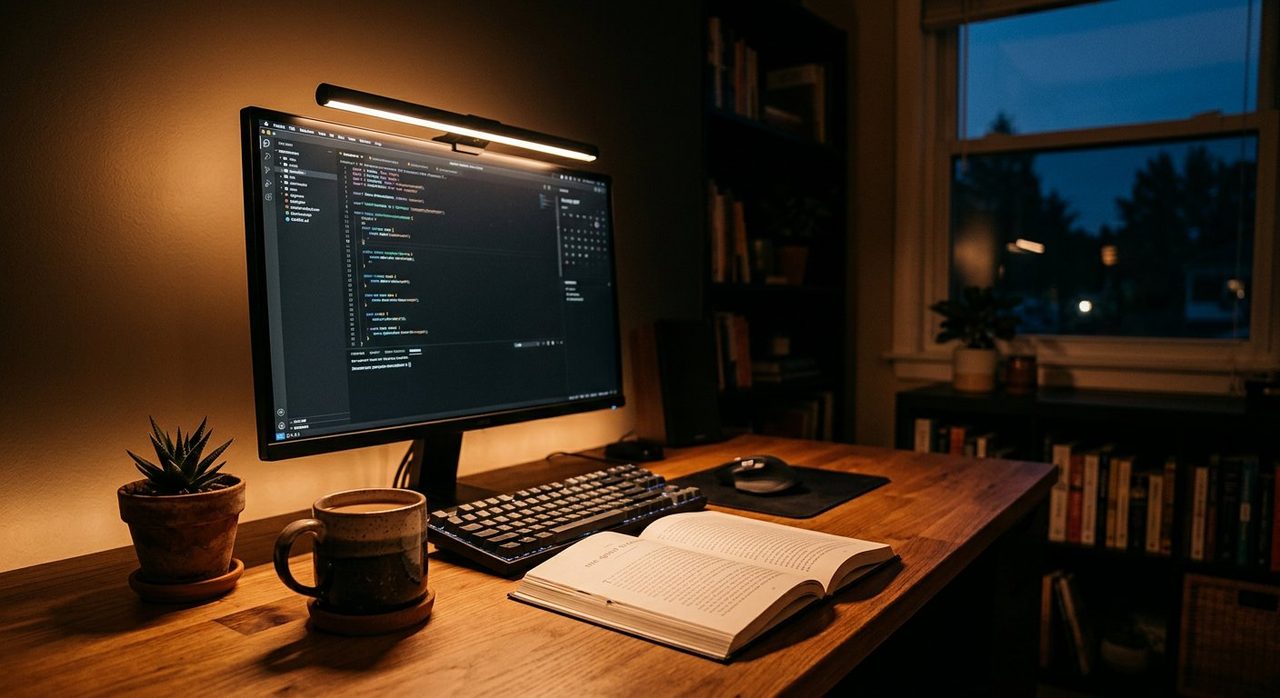
- Fix your ambient lighting. A dark room with a bright monitor causes constant pupil adjustment that does cause eye fatigue. See our lighting guide.
- Use your OS's night mode. macOS Night Shift, Windows Night Light, and Android's equivalent shift the screen warmer in the evening for free.
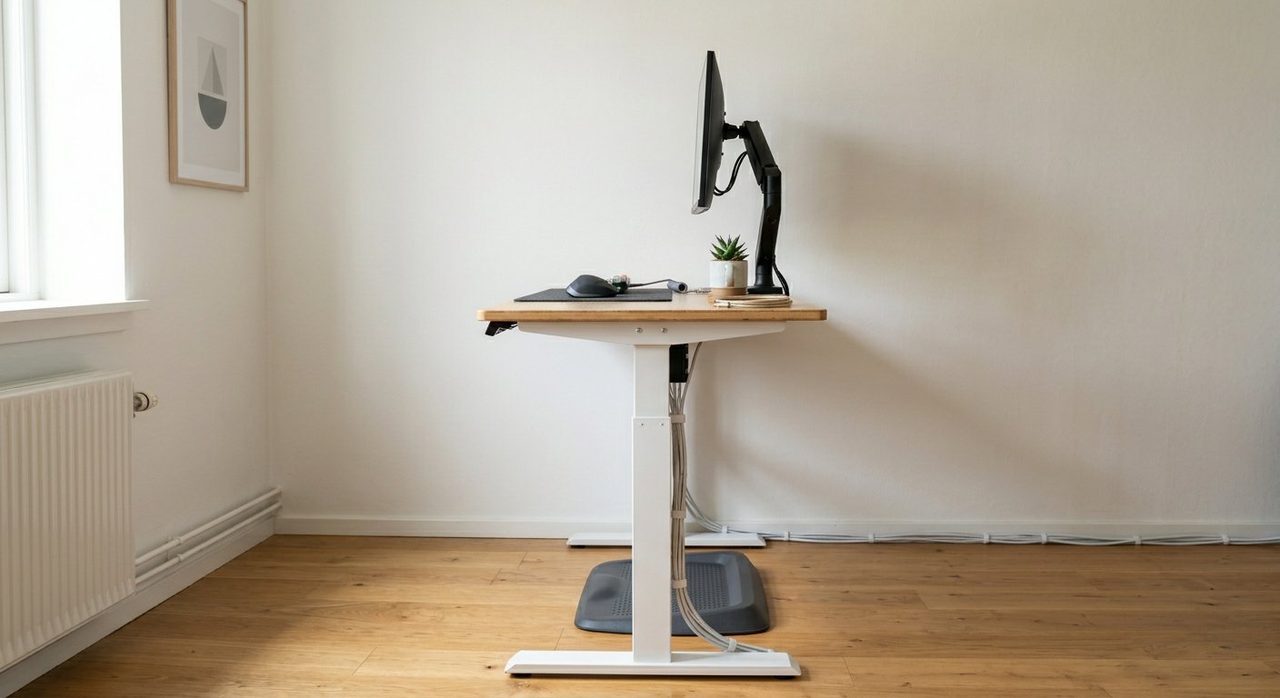
- Check your monitor distance. 20–28 inches from your eyes, top of screen at or below eye level. Too close + too low = the recipe for eye strain.
If you still want to try blue-light glasses, our picks
Felix Gray Faraday
Stylish enough to wear in meetings. Lens coating filters about 15% of blue light without a noticeable yellow tint. Free prescription lens upgrade. Returnable.
Check on Felix GrayGunnar Optiks Intercept
Heavier filtering (yellow tint) intended for gamers and heavy screen use. Genuinely reduces eye strain for some users; the yellow tint makes color work impossible.
Cyxus Blue Light Blocking Glasses
Under $20 on Amazon. The clear-lens version is what we'd test first if you want to see whether the effect is real for you personally before spending more.
The 2-week test
If you do buy a pair, run this honest experiment:
- Wear them all day for one full week.
- Don't wear them at all the following week.
- Track headaches, eye strain, and sleep quality both weeks.
If you can't tell which week was which, save your money. If week one was noticeably better, keep them.
Final word
Blue-light glasses are not a scam, but they're not the breakthrough they're marketed as either. If your eyes ache by 4pm, the most likely culprits are screen distance, ambient lighting, and dryness — not the wavelength of light hitting them. Fix those first. If you still want to try the glasses, get a cheap pair, run the 2-week test, and trust your own data.
Frequently asked questions
Do blue light glasses actually work?
The evidence is mixed. Multiple recent meta-analyses found little evidence that blue-light glasses reduce eye strain or improve sleep significantly compared to regular glasses. They might help individual users who are sensitive to bright screens; for most people, screen brightness, breaks, and lighting matter more.
Should I wear them all day?
If you've decided to try them, yes — but evening hours matter most. The case for blue-light filtering is strongest 2–3 hours before bed when blue wavelengths can suppress melatonin.
Can blue light glasses replace good lighting?
No. They're a small intervention compared to fixing ambient lighting, taking screen breaks (the 20-20-20 rule), and using your screen's built-in night mode. Get those right first.
Are expensive blue light glasses better than cheap ones?
Mostly no. The lens coating is the same across most brands. You pay more for frame quality, prescription compatibility, and warranty — not for better blue-light filtering.
Will blue light glasses help with headaches?
Sometimes — but the cause matters. If your headaches come from screen glare or dryness, blue-light glasses won't help. If they come from eye strain caused by poor monitor distance or lighting, fixing those will help more.
Spotted a mistake or want to suggest a product we should test? Get in touch — we read every message.